
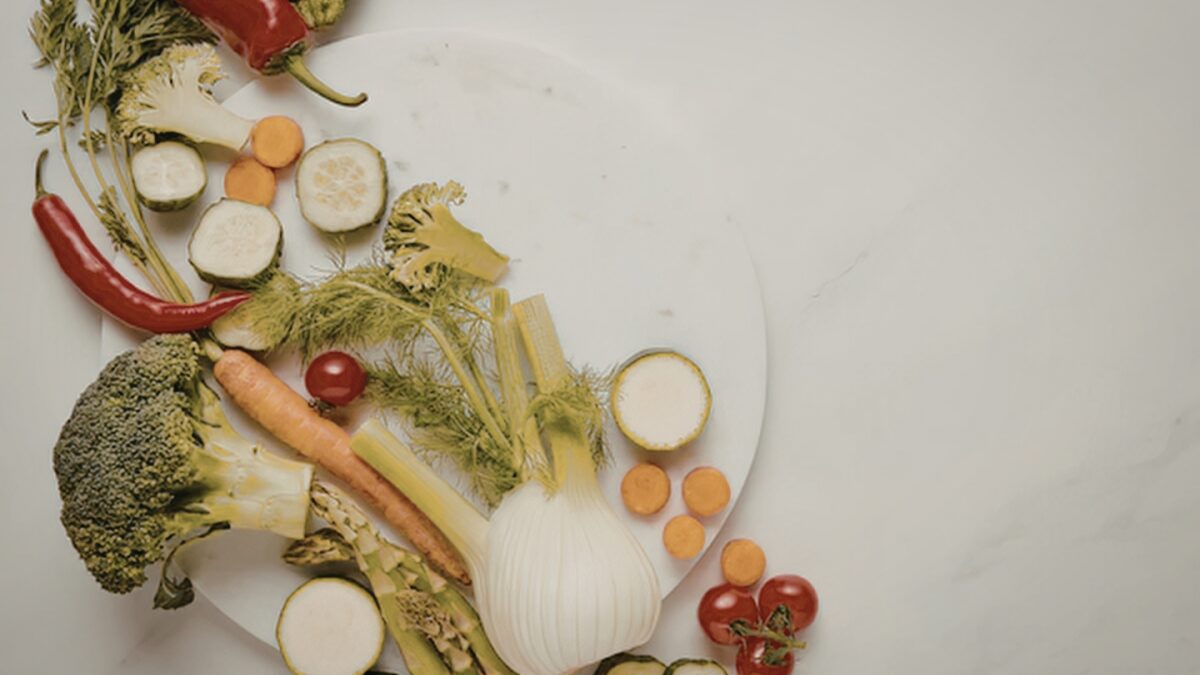
Most of us are throwing away ingredients. This guide shows exactly what to do instead.
The Scale of What We Throw Away
Before the ideas, a number worth sitting with.
In 2022, households worldwide generated 631 million tonnes of food waste — the single largest source of food waste globally, and approximately 60% of all food discarded at the consumer level (United Nations Environment Programme [UNEP], 2024). That is the equivalent of over one billion meals thrown away every single day, at a time when 783 million people are affected by hunger (UNEP, 2024).
The average person generates around 79 kilograms of household food waste per year (UNEP, 2024). For a family of four, that is more than 300 kilograms — an entire wardrobe's worth of food — discarded annually.
Here is the part that rarely gets said clearly: much of that waste is not inevitable. Peels, rinds, stems, grounds, shells, and crusts — the scraps we reflexively sweep into the bin — are, almost without exception, still usable. They have flavour, nutrition, and utility left in them. What they lack is a system and a little knowledge.
This guide is that knowledge. Consolidated from kitchens, gardens, food scientists, and sustainability practitioners, it gives you exactly what to do with the scraps you generate most.
How to Use This Guide
We have organised ideas by scrap type, so you can go straight to whatever is sitting on your counter. Each section covers what the scrap is good for, the easiest way to start, and the more ambitious things you can do when you are ready.
A few principles before you begin:
- Clean before you keep. Wash fruit and vegetables thoroughly before using their skins or peels in food, as pesticide residues, dirt, and insects can remain on surfaces (David Suzuki Foundation, 2024). If you are not buying organic, be more selective about which peels you use in recipes.
- Freeze as you go. Most scraps can be frozen in a bag or jar and accumulated over time rather than needing to be used immediately. A freezer scrap bag is the single most effective habit you can build.
- Compost as the floor, not the ceiling. Composting is always better than landfill — but it is the last resort, not the first. Try to extract culinary, household, or garden value before composting anything.
What scrap do you have?
Select a type to see what you can make, grow, or clean with it.
1. Vegetable Peels & Trimmings
Potato skins, carrot peels, celery ends, onion skins, mushroom stems, broccoli stalks, kale stems, leek tops, corn cobs, cauliflower leaves, courgette skins, parsnip trimmings.
The interactive tool above covers the four quickest wins. Here is the fuller picture.
Scrap Stock The most impactful thing you can do with almost any vegetable scrap. Collect peels, onion skins, celery ends, carrot tops, mushroom stems, and herb stalks in a reusable freezer bag. When full, simmer with cold water, peppercorns, and a bay leaf for 45–60 minutes, then strain and use as a base for soups, risottos, and stews (West~bourne, n.d.; Sustainable in the Suburbs, 2025).
A few tips: onion and garlic skins add deep colour and savouriness; mushroom stems add umami body; corn cobs add natural sweetness; cruciferous vegetables like broccoli and cabbage can turn the stock bitter in large quantities, so use sparingly. Parmesan rinds added to the simmer add remarkable depth.
Peel Crisps Potato skins, carrot peels, kale stems, and parsnip trimmings can all be roasted into crisps. Toss in olive oil, season with salt and a spice of your choice — smoked paprika, cumin, or nutritional yeast all work well — and roast at 180°C for 15–20 minutes until golden and crisp (Love Food Hate Waste NSW, 2024; Sustainable in the Suburbs, 2025). Serve as a snack or crumble over salads.
Broccoli Stalks The stems have just as much flavour and nutrition as the florets, but a different texture. Peel the outer layer and slice thinly for stir-fries, cut into batons for dipping, or grate raw into slaws and salads (Food Network, 2024).
Onion and Garlic Infusions Infuse onion skins and garlic skins in olive oil or vinegar over low heat for a bold, savoury base — useful for dressings, marinades, or adding depth to braised dishes (Love Food Hate Waste NSW, 2024).
2. Citrus Peels & Fruit Rinds
Orange, lemon, lime, and grapefruit peels; watermelon rind; apple cores and peels.
Citrus Zest and Powder Before peeling any citrus, grate the zest and freeze it. It adds concentrated flavour to baking, dressings, marinades, and pasta (David Suzuki Foundation, 2024). For a longer-lasting option, dry the peels at around 80°C until brittle, then blend into a fine citrus powder — a versatile seasoning with a long shelf life.
Citrus Syrup Simmer citrus peels in equal parts sugar and water for 20 minutes. Use in cocktails, over pancakes, in teas, or as a glaze for roasted vegetables or fish.
Watermelon Rind Often discarded entirely, watermelon rind is edible and rich in fibre. It can be pickled with vinegar, sugar, and spices — particularly popular across South Asian and Southern American cuisines — blended into smoothies with ice and lemon juice (Taste of Home, 2024), or sliced thin and stir-fried with garlic and chilli.
Apple Cores and Peels Apple peels and cores can be simmered to make a natural pectin-rich liquid useful for setting jams and jellies. Steep cores and peels in water with a spoonful of sugar for 2–3 weeks to ferment a tangy apple scrap vinegar, good for dressings and marinades (Bona Magazine, 2025).
3. Stale Bread & Crusts
Day-old bread, bread heels, stale rolls, leftover cooked rice, old crackers.
Stale bread is arguably the most versatile of all kitchen scraps, with a long tradition of zero-waste use across many culinary traditions.
Breadcrumbs Cut or tear stale bread into rough chunks and pulse in a food processor until you reach your desired texture. Freeze in portions. Use as a topping for pasta, gratins, and baked dishes, as a coating for fried or baked proteins, or mix with herbs and lemon zest for a quick gremolata (David Suzuki Foundation, 2024).
Croutons Cube stale bread, toss with olive oil, garlic, salt, and your choice of herbs, and bake at 200°C until golden. Add to soups, salads, and grain bowls (David Suzuki Foundation, 2024; Bona Magazine, 2025).
Bread Pudding Soak stale bread in a custard of eggs, milk, sugar, and spice (cinnamon, nutmeg, vanilla), then bake until set and golden. Works with nearly any bread, from white sandwich loaves to croissants and brioche (Bona Magazine, 2025).
Panzanella Tear stale bread into rough pieces, toast lightly, and toss with ripe tomatoes, cucumber, red onion, basil, olive oil, and a splash of red wine vinegar. The bread soaks up the dressing and becomes the star of the dish (David Suzuki Foundation, 2024).
French Toast For bread that is past its best but not yet mouldy, French toast is a generous upgrade: dip slices in beaten egg, milk, a pinch of salt, and cinnamon, then cook in butter until golden.
4. Coffee Grounds
Used grounds from any brewing method — drip filter, French press, espresso, pour-over.
Garden Fertiliser and Mulch Used coffee grounds are rich in nitrogen, phosphorus, potassium, magnesium, copper, and zinc — making them a genuine, free garden fertiliser (The Old Farmer's Almanac, n.d.). Sprinkle lightly around the base of plants, or add to compost at a ratio of approximately one part grounds to four parts other compostable material (Cha Ching Queen, n.d.). Do not apply in thick layers, as grounds can form a crust that blocks water penetration. Particularly suitable for acid-tolerant plants: hydrangeas, azaleas, blueberries, roses, and tomatoes.
Natural Pest Deterrent The texture and scent of coffee grounds deter slugs, snails, and ants. Sprinkle a line around the perimeter of plants you want to protect, or mix with crushed eggshells for added effectiveness (Roasty Coffee, n.d.). Reapply after rain.
5. Eggshells
Shells from any eggs — chicken, duck, quail.
Garden Calcium and Pest Deterrent Eggshells are composed almost entirely of calcium carbonate, which provides calcium to soil and can help neutralise excess acidity (The Old Farmer's Almanac, n.d.). Allow shells to dry, crush coarsely, and sprinkle around plant bases. A mix of crushed eggshells and coffee grounds creates a rough surface that deters slugs, snails, and soft-bodied pests (Roasty Coffee, n.d.). Avoid using around acid-loving plants such as azaleas.
Seed Starters Half-eggshells make natural, biodegradable seed-starting pots. Fill with potting soil, plant a seed, and water carefully. When seedlings are ready to transplant, plant the entire shell directly in the ground — it will decompose and feed the plant as it breaks down.
Calcium Supplement for Pets Bake clean shells at 180°C for 10 minutes to remove any bacteria, then grind to a fine powder and mix into pet food as a natural calcium supplement. Consult a vet for appropriate quantities.
6. Aquafaba (Chickpea Liquid)
The liquid from a can of cooked chickpeas, or the cooking water from home-cooked chickpeas or other legumes.
Aquafaba is one of the more remarkable discoveries of contemporary home cooking. The starchy, protein-rich liquid that most people pour down the sink can function as a direct substitute for egg whites in a wide range of recipes.
Meringues and Pavlova Drain and chill the liquid from a can of chickpeas. Whip with an electric hand mixer or stand mixer until it forms stiff, glossy peaks — this takes about five to eight minutes. Use exactly as you would egg whites for meringues, pavlova, or macarons (David Suzuki Foundation, 2024; Clean Eating Magazine, n.d.). Add cream of tartar at the start of whipping to stabilise.
Vegan Whipped Cream Whip aquafaba to soft peaks and fold in powdered sugar and a splash of vanilla extract for a light, dairy-free whipped topping for desserts, hot drinks, or fruit.
Egg Replacer in Baking Use 3 tablespoons of aquafaba to replace one egg in cookies, cakes, and pancakes. It adds binding with no chickpea flavour once baked.
Cocktail Foam Shake aquafaba into cocktails — whisky sour, pisco sour, amaretto sour — in place of egg white to create the classic silky foam. Zero-waste and vegan-friendly.
7. Herb Stems & Wilted Herbs
Parsley stems, coriander stalks, basil stems, thyme sprigs, rosemary stems, mint stalks, wilted fresh herbs.
Frozen Herb Cubes Blend wilted or surplus fresh herbs with a neutral oil until smooth. Pour into ice cube trays and freeze. Drop a cube directly into soups, sauces, stir-fries, or scrambled eggs for instant flavour (Clean Eating Magazine, n.d.).
Herb Oil and Infused Vinegar Pack herb stems — particularly rosemary, thyme, and sage — into a clean bottle with good olive oil. The oil infuses over seven to ten days. Use in dressings, for finishing pasta, or as a dipping oil. The same approach works with white wine vinegar for a lighter result (David Suzuki Foundation, 2024).
Herb Stem Chimichurri Parsley stems are fully edible and blend smoothly. Use them alongside or instead of the leaves with garlic, olive oil, red wine vinegar, and chilli for a bright, herbaceous sauce.
Stock Addition Herb stems — especially parsley and celery leaf — are more intensely flavoured than the leaves and make excellent additions to the scrap stock bag. Always include them.
8. Banana Peels
Peels from ripe or very ripe bananas.
Plant Fertiliser Banana peels are rich in potassium, phosphorus, and calcium — nutrients critical for plant health and flowering (The Old Farmer's Almanac, n.d.). Bury peels directly into soil near the base of plants and they will decompose quickly, releasing nutrients as they break down.
Banana Water Soak two or three peels in a jar of water for 48 hours, then use the potassium-rich liquid to water garden plants and house plants (David Suzuki Foundation, 2024). Especially good for flowering plants.
One System That Actually Works
The gap between knowing what to do and actually doing it usually comes down to friction. A few simple setups that make zero-waste habits sustainable:
- The freezer scrap bag. Keep one resealable bag permanently in the freezer, labelled "stock scraps." Every time you peel, trim, or chop, add the offcuts directly to the bag. When it is full, make stock. No pressure to use scraps immediately; no waste from forgetting.
- The drying rack. A small section of your kitchen counter or window sill for citrus peels and herb stems you intend to dry. Visibility creates action.
- The "almost gone" shelf. Designate one shelf in your fridge for produce that needs to be used next. When you cook, check that shelf first. Most food waste at home happens not from not knowing what to do — but from not seeing what is there (UNEP, 2024).
Why It Matters
Household food waste generates an estimated 8–10% of global greenhouse gas emissions — almost five times the total emissions from the aviation sector (UNEP, 2024). When food goes to landfill, it decomposes anaerobically, producing methane — a greenhouse gas roughly 80 times more potent than CO₂ over a 20-year period.
Upcycling scraps does not solve climate change. But it is one of the highest-leverage, lowest-cost, immediately actionable things an individual household can do — and it compounds. The habit of seeing value in what would otherwise be waste is the same instinct that, at scale, drives the kinds of circular food systems that can make a meaningful difference.
Want to understand how we build food at Moonbeam?
Our snacks are made from upcycled ingredients, designed for circularity, and priced as honestly as we can manage. As we scale, that price will move. Until then, we are committed to telling you exactly what you are paying for — and why every part of it matters.
Explore our snacks | Learn our story | Partner with us
References
Bona Magazine. (2025). Upcycling ingredients for a second life in the kitchen. https://www.bona.co.za/lifestyle/upcycling-ingredients-for-a-second-life-in-the-kitchen/
Cha Ching Queen. (n.d.). 23 clever ways to reuse your coffee grounds and save money. https://chachingqueen.com/creative-uses-coffee-grinds/
Clean Eating Magazine. (n.d.). 12 ways to upcycle your food scraps to reduce waste. https://www.cleaneatingmag.com/clean-living/greener-you/12-ways-to-upcycle-your-food-scraps-to-reduce-waste/
David Suzuki Foundation. (2024). How to get the most from your food scraps. https://davidsuzuki.org/living-green/how-to-get-the-most-from-your-food-scraps/
Food Network. (2024). 19 recipes that use food scraps to make the most of your ingredients. https://www.foodnetwork.com/recipes/photos/recipes-that-use-food-scraps
Love Food Hate Waste NSW. (2024). Unlocking culinary magic: Transforming vegetable scraps into delicious treasures. https://lovefoodhatewaste.nsw.gov.au/news/unlocking-culinary-magic
Roasty Coffee. (n.d.). Eco-friendly & caffeinated: 15 ways to upcycle your coffee grounds. https://www.roastycoffee.com/unique-ways-to-repurpose-your-coffee-grounds/
Sustainable in the Suburbs. (2025). Creating a sustainable kitchen: 11 ways to reuse food scraps. https://sustainableinthesuburbs.com/sustainable-kitchen-reuse-food-scraps/
Taste of Home. (2024, September 20). 6 genius ways to upcycle your food scraps. https://www.tasteofhome.com/collection/ways-to-upcycle-your-food-scraps/
The Old Farmer's Almanac. (n.d.). Are eggshells, coffee grounds, and bananas good for the garden? https://www.almanac.com/video/are-eggshells-coffee-grinds-and-bananas-good-garden
United Nations Environment Programme. (2024). Food Waste Index Report 2024. UNEP. https://www.unep.org/news-and-stories/press-release/world-squanders-over-1-billion-meals-day-un-report
West~bourne. (n.d.). 6 creative ways to upcycle in the kitchen. https://westbourne.com/blogs/field-notes/upcycled