
The gap between caring about sustainability and paying for it—and what it taught us about building better snacks
The Truth Nobody Talks About
Everyone says they want sustainable food. They care about the planet. They value health. They support ethical brands.
But here's what most sustainable food companies miss: caring about something and actually buying it are two very different things.
Harvard Business Review calls this the "Say-Do Gap"—the reality that while 65% of people want to buy purpose-driven brands, only 26% actually follow through at the shelf.
At the moonbeam co., we wanted to understand this gap. We've been in institutional settings, cafeterias, and pantries watching people interact with sustainable snacks. We've seen the enthusiasm in trials and the hesitation at checkout.
So we decided to measure it properly.
The findings challenged some of our assumptions and reinforced what we've always believed: sustainable food doesn't win by being virtuous. It wins by being irresistible.
What We Learned: The Gap Between Interest and Purchase
We studied how people actually decide to buy sustainable snacks—not just how they feel about them.
The core insight? There's a meaningful gap between what people will accept when it's free versus what they'll pay for with their own money.
That gap taught us everything we needed to know about building sustainable food that actually scales.
Finding #1: Enjoyment Is the Strongest Driver of Purchase
Here's what we discovered: while sustainability and health scored highly in perception, emotional enjoyment was by far the strongest predictor of whether someone would actually buy the snack.
Not just important. Not just relevant. The strongest.
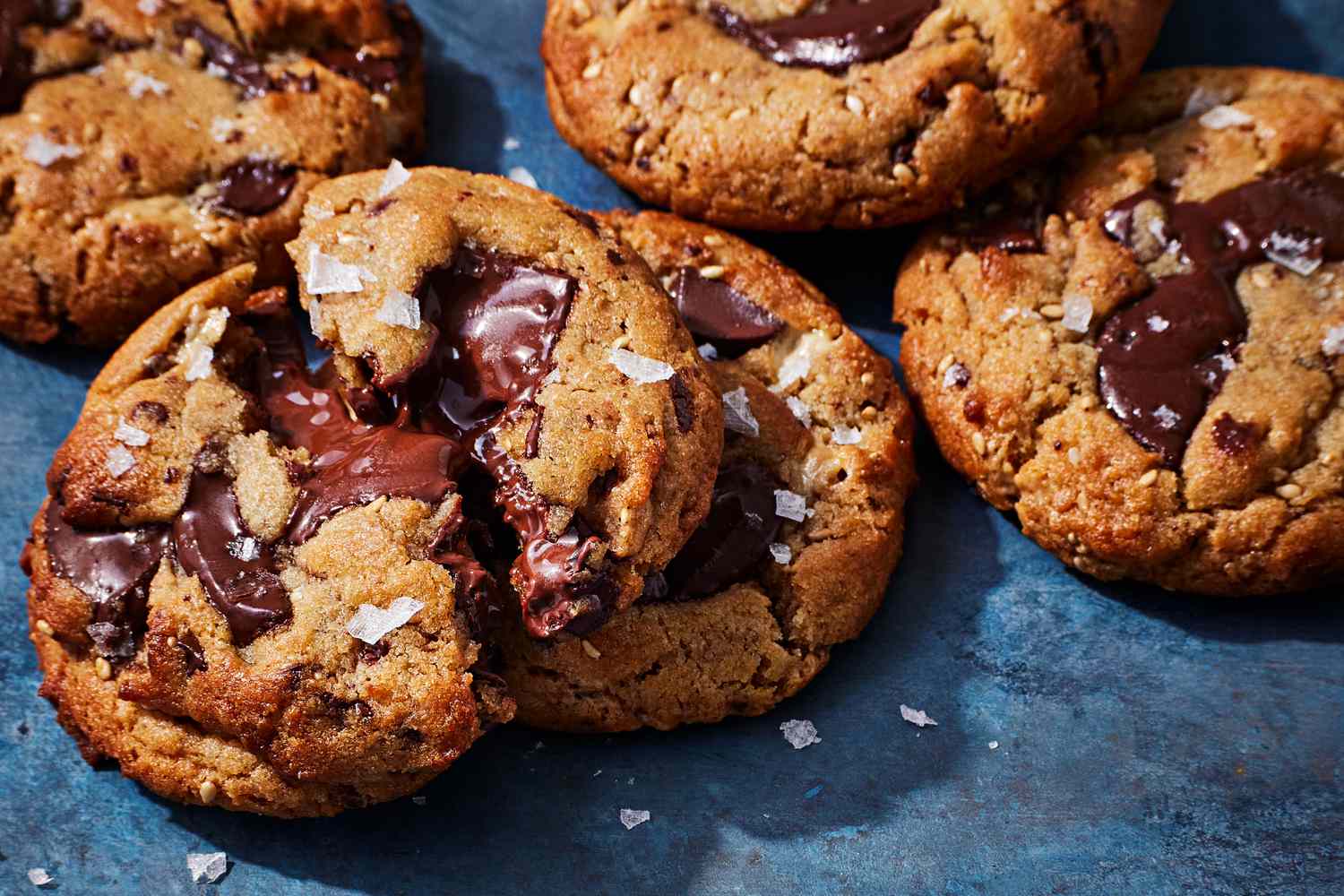
This aligns with what the International Food Information Council has been tracking for years. According to their 2023 Food and Health Survey, taste remains the undisputed king, driving nearly 90% of all food purchase decisions—far outranking sustainability, price, or even health claims.
People love the idea of sustainable snacks. They feel good about supporting them. But when it's time to spend their own money, they ask one question above all: "Does this taste amazing?"
What this means in practice:
Sustainability gets you in the door. It builds trust. It makes people willing to try.
But taste is what converts trial into purchase. Taste keeps you in business.
This isn't about people being shallow or not caring about the planet. It's about how human decision-making works when personal money is involved. Research published in the Journal of Consumer Psychology identifies what they call the "Sustainability Liability"—where consumers sometimes assume that "green" products might compromise on performance or taste compared to conventional alternatives.
Finding #2: The Free-to-Paid Drop-Off Is Real
When snacks were offered for free, acceptance was high. People were generous with their approval, enthusiastic in their feedback.
But when those same people had to make an actual purchase decision, something changed. Not everyone who said "yes" to a free sample said "yes" to buying it.
This isn't cynicism. It's human nature.
When something is free or included, we're generous. When we have to make a purchasing decision, we become more selective. And in that moment of choice, enjoyment matters more than anything else.
Why This Matters for Sustainable Brands
This drop-off explains why many sustainable products:
- Get great feedback in trials
- Receive enthusiastic verbal support
- But struggle with repeat purchases at retail
McKinsey & Company's five-year study with NielsenIQ confirms this pattern: while consumer intent for sustainable products is high, products with ESG-related claims still need to meet baseline performance expectations—primarily taste and price—to achieve long-term growth.
The lesson? Sampling builds belief. Taste builds revenue.
Finding #3: Sustainability Creates a "Halo Effect"
We discovered something fascinating: people who perceived snacks as sustainable were more likely to also assume they were healthy—even when we didn't make any health claims.
This "halo effect" is powerful. Research in the Journal of Cleaner Production suggests that sustainability acts as a cognitive shortcut, causing consumers to perceive eco-friendly snacks as naturally healthier or higher quality.
It means sustainability can enhance perceived health and quality.
But here's the nuance: while this halo builds positive perception, it still doesn't drive the final purchase decision as strongly as actual enjoyment does.
Think of it this way:
- Sustainability = Permission to try
- Health = Confidence to continue
- Enjoyment = Reason to buy again
The Market Opportunity Is Real
Despite these behavioral challenges, the opportunity for sustainable snacks is enormous. According to NYU Stern's Sustainable Market Share Index™, sustainability-marketed products are now responsible for nearly one-third of all growth in consumer packaged goods.
The market exists. The demand is real.
But winning requires understanding how people actually decide, not just what they say they value.
What This Means for How We Build Food at Moonbeam
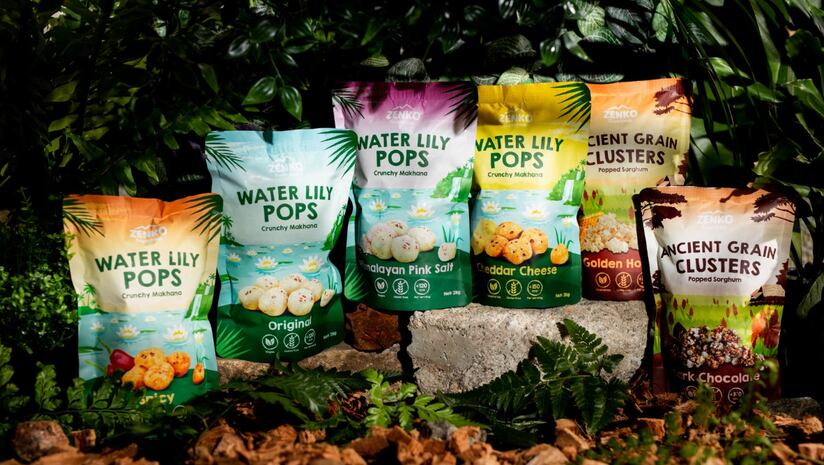
These insights haven't changed our values—they've sharpened our strategy. Here's how we think about sustainable snack development:
1. Taste Is Non-Negotiable
We don't make "good-for-you" food that asks people to compromise. We make food that people genuinely crave—and then make it better for the planet.
Our upcycled ingredients and circular processes don't come at the expense of flavor; they enhance it. Every recipe goes through rigorous taste testing. If it doesn't deliver joy, it doesn't ship.
This isn't about abandoning sustainability—it's about refusing to use it as an excuse for mediocre taste.
2. Sustainability Is Our Baseline, Not Our Headline
Being sustainable isn't our unique selling point—it's our operating system. We lead with experience and indulgence, then let people discover the environmental benefits.
This isn't hiding our values; it's respecting how people actually make food decisions. We're designing with human psychology, not against it.
3. Education Supports, Never Substitutes
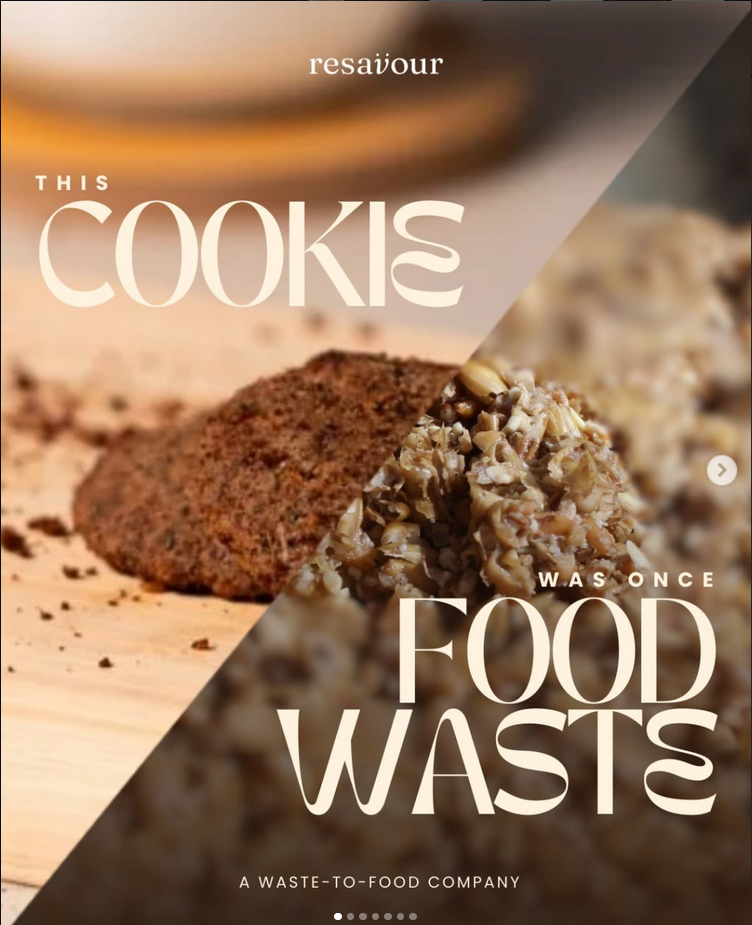
We use storytelling and transparency to help people understand our mission. But we never ask sustainability credentials to replace sensory satisfaction.
The snack has to deliver joy first. Then the story deepens the connection.
4. Sampling Creates Believers
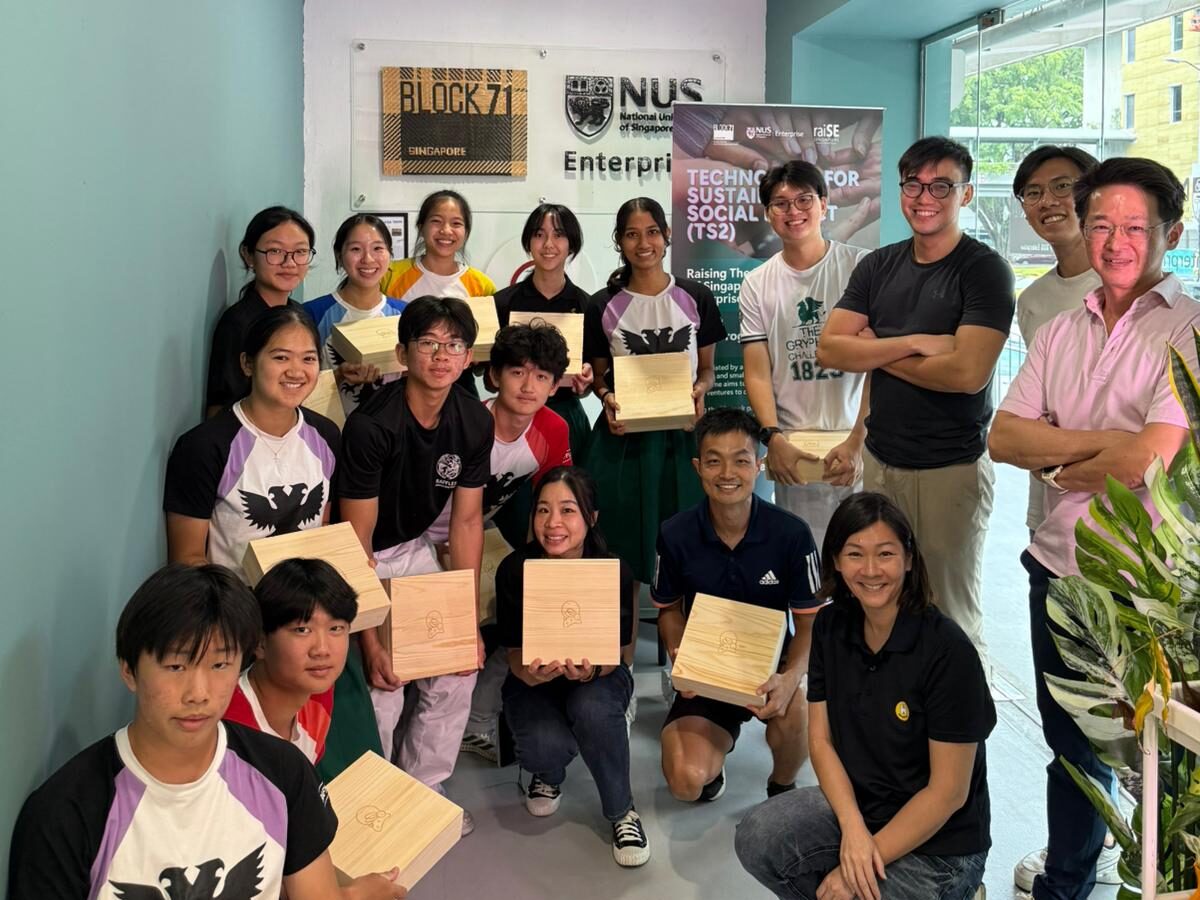
Understanding the gap between trial and purchase, we've invested heavily in:
- Workplace tastings
- School programs
- Community events
- Institutional partnerships
Every sample is an opportunity to convert awareness into preference. And preference into habit.
The Bigger Picture: Scaling Sustainable Food
If sustainable food is going to become mainstream—not just a premium niche—it has to win on everyday decisions, not just conscious values.
And those decisions happen in the checkout line, on a random Tuesday afternoon, when someone is hungry and scanning their options.
That person isn't thinking about carbon footprints. They're thinking: "Will this hit the spot?"
Sustainable food that doesn't taste incredible is sustainable food that doesn't scale.
This doesn't mean lowering standards or abandoning ethics. It means understanding that:
- The planet needs sustainable food to be successful, not just virtuous
- Success requires repeat purchases
- Repeat purchases require genuine enjoyment
When we optimize for taste while maintaining circularity, we're not compromising our mission—we're ensuring it reaches more people.
Our Commitment: Pleasure-First Sustainability
At Moonbeam, we're committed to building a better food system. But we're equally committed to never asking consumers to sacrifice enjoyment for ethics.
Because we believe:
- Good food shouldn't hurt the planet
- Sustainable food shouldn't taste like a compromise
- The future of food is both delicious and responsible
We've tested this belief. We've measured it. And it's shaped how we build every product.
People don't want to choose between what tastes good and what does good.
So we won't make them.
Want to Experience the Difference?
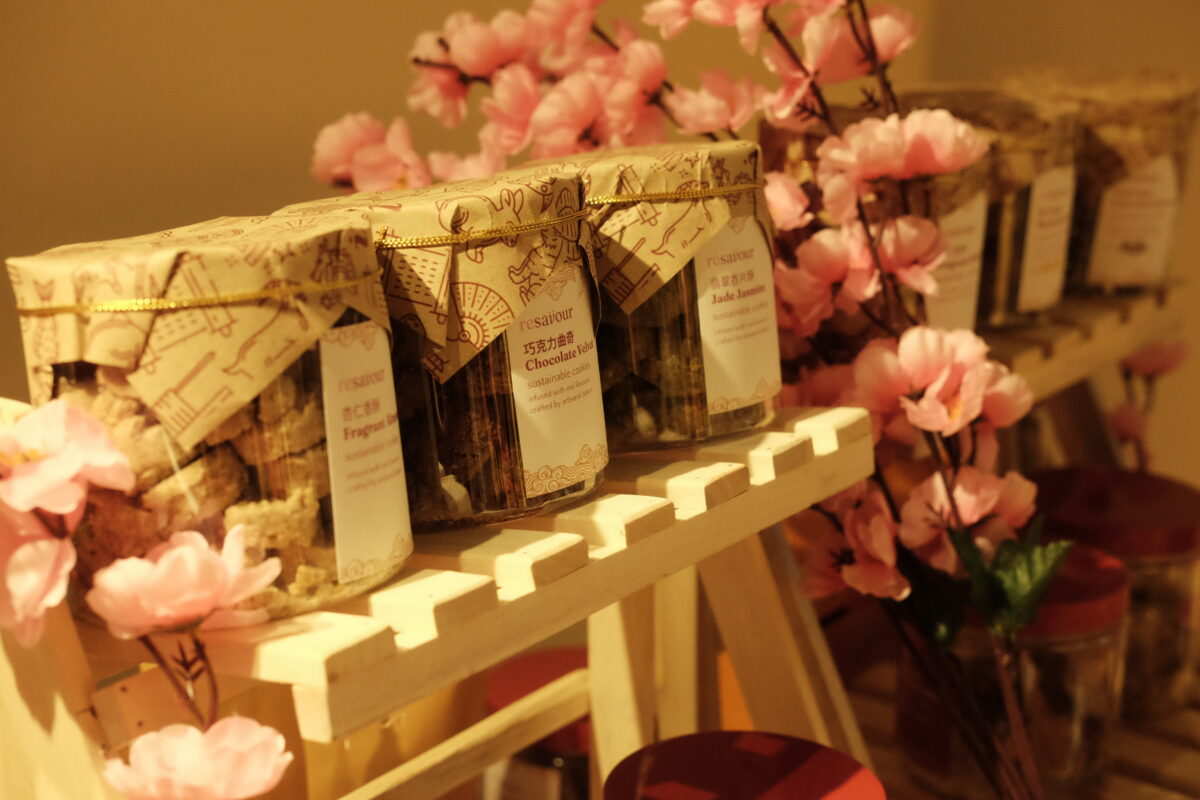
Our snacks prove that sustainability and indulgence aren't mutually exclusive. They're made with upcycled ingredients, designed for circularity, and crafted to make you genuinely happy. This is why, we call this, resavour.
Try them yourself and see why taste comes first—always.
Shop Our Snacks | Learn Our Story | Partner With Us
On Data Use and Disclosure
This research was conducted internally to guide product design, pricing strategy, and educational programming at the moonbeam co. For external communications, results have been intentionally aggregated and selectively shared to show directional insights and validated patterns.
This approach protects participant privacy, maintains competitive strategy, and keeps focus on actionable insights rather than technical debate. Detailed analysis is retained for internal decision-making and is available for due diligence discussions with potential partners, investors, or institutional collaborators.
References & Further Reading
Primary Research & Market Data
- Harvard Business Review (2019). The Elusive Green Consumer. White, K., Hardisty, D. J., & Maclean, R.
- International Food Information Council (2023). Food and Health Survey.
- McKinsey & Company & NielsenIQ (2023). Consumers care about sustainability—and back it up with their wallets.
- NYU Stern Center for Sustainable Business (2023). Sustainable Market Share Index™.
Psychological & Behavioral Insights
- Journal of Consumer Psychology (2016). The Sustainability Liability. Luchs, M. G., et al.
- Journal of Cleaner Production (2018). The "Green" Halo Effect.
About the moonbeam co.
We're on a mission to build a circular food system that works with human behaviour, not against it. Based in Singapore, we create snacks from upcycled ingredients that taste incredible and do good. Learn more at themoonbeam.co.
Keywords: sustainable snacks, consumer buying behavior, sustainable food brands, taste vs sustainability, upcycled food, eco-friendly snacks, sustainable food marketing, circular economy food, why people buy sustainable food, sustainable snack companies, say-do gap sustainability
Last Updated: February 2026